Everyone Booked the Same Stop-Motion Ad
Handmade work is back in the holiday reel. The craft is real, the briefs are starting to look identical, and the production side pays for that first.
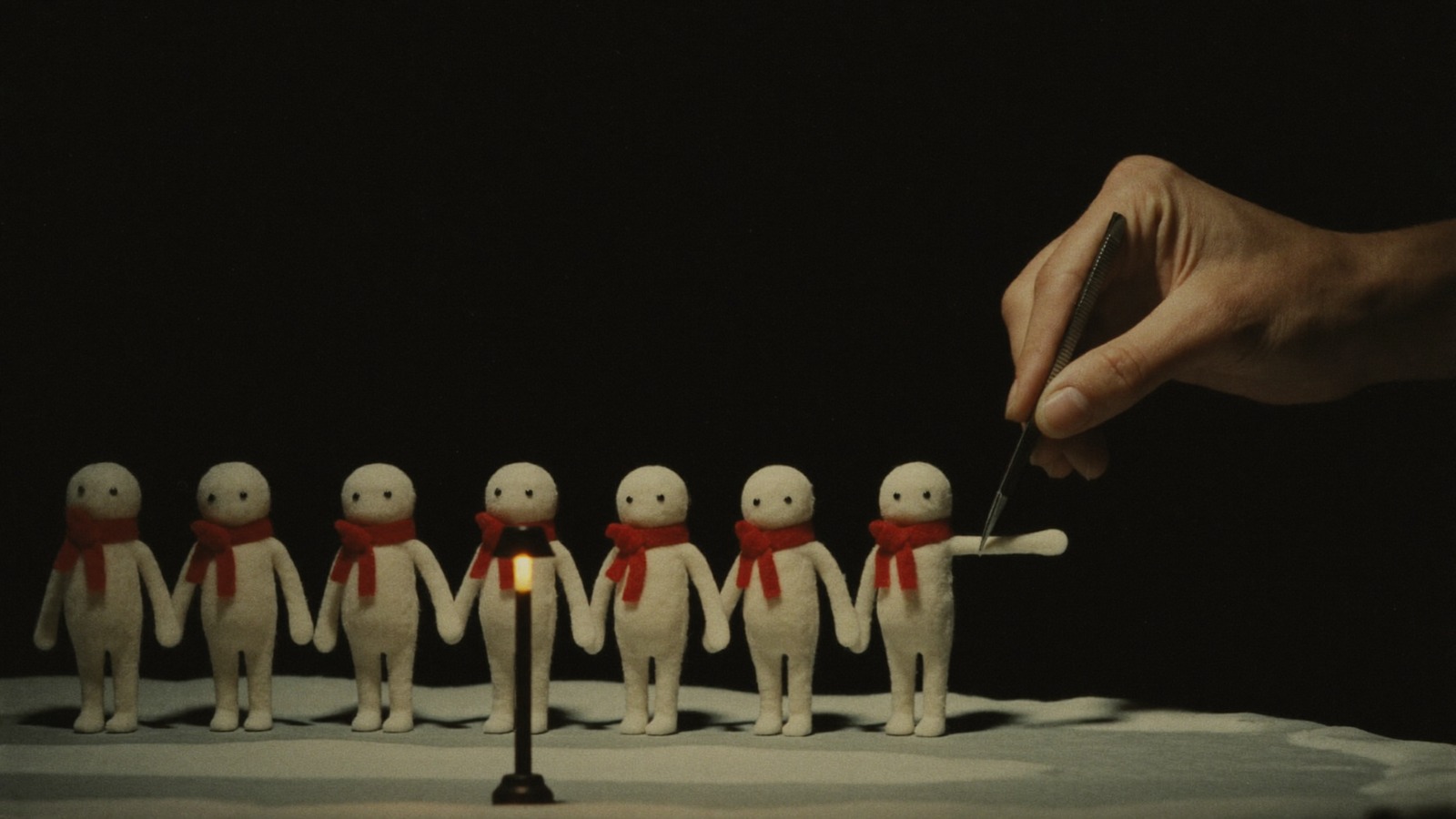
This holiday season, a lot of brands went looking for the opposite of AI imagery and arrived at the same place: felt, clay, tiny sets and a camera that moves one frame at a time.
Chris Danton, who writes the culture and marketing newsletter Good Thinking, put a list together last weekend. Rimowa, e.l.f., Anthropologie, Strathberry, the Ritz, Guerlain and Boden all released holiday work in stop motion or close to it. His point was not that the films are bad. Several of them are lovely. His point was that they feel the same, as if every brand read the same "analog good, AI bad" trend report and took the same advice from it.
He compares it to the wave of CGI stunts that followed Jacquemus. It worked once, for a brand that had built an identity first, and much less for the hundreds that copied the look afterwards.
Good news for the people who make it
Before the critique, the part worth saying clearly: this is a good season for craft. Stop motion, model making, set building, puppet fabrication, hand drawn animation and the camera people who shoot it are being booked as a selling point, not as a budget line someone tries to cut.
That matters in a year where a lot of the conversation has been about which jobs AI takes. Brands are paying for visible human hands, and they want the audience to see them. Some of this year's films show the sketches, the rigs and the making of on purpose.
Where it goes wrong
The problem Danton describes starts long before anyone touches clay. When the brief says "handmade" and stops there, the technique becomes the idea. Ten agencies get the same brief, book from the same small pool of studios and end up with ten films that share a palette, a pace and a cosy miniature world.
Danton's examples of handmade work that does stand out have one thing in common. GAP's a cappella holiday spot, directed by Carissa Gallo, feels human and still feels like GAP. Marks and Spencer stayed traditional and it still works. In each case the brand knew who it was before it picked a technique.
For directors and producers pitching on these jobs, that is the useful part. "We'll do it by hand" is a method. The treatment still has to answer why this brand, and why this story, needs hands on it.
Stop motion does not forgive late notes
There is also a plain production reason why a copied look gets expensive.
In live action, a note after the shoot can often be solved in the edit. In stop motion, a shot that has been animated is finished in a very literal way. Change the colour of a scarf, the expression of a character or the timing of a gesture after the animator has moved through it, and you are not tweaking a shot. You are shooting it again, frame by frame, with the set rebuilt to match.
That is why handmade productions live or die on decisions made early. The look gets locked in tests. The animatic gets signed off before anyone animates. The client sees the puppet, the set and the colour script while they can still be changed cheaply. Feedback has to arrive collected and on time, not in instalments.
A brief that only says "make it feel handmade" makes that harder. Without a real idea behind it, the decisions drift, the references keep changing and the notes keep coming, right up to the point where every note costs a reshoot.
What to take from it
Danton expects human made craft to be big in 2027. That sounds right, and it is good news for a lot of people in this industry. His warning is the part to keep: handmade is not a position on its own. It needs an idea, and it needs a production that locks decisions before the expensive part starts.
CREA will not give anyone a better idea for a holiday film. What it can do is keep the approved references, the boards, the version the client signed off and the schedule in one workspace, so everyone animates from the same decision and the notes land before the puppet moves.
Sources