Platform
Instagram just made horizontal video matter again
Instagram is testing horizontal video up to 90 minutes, with no ad revenue share attached. What that changes for anyone who has to shoot, edit and deliver it.
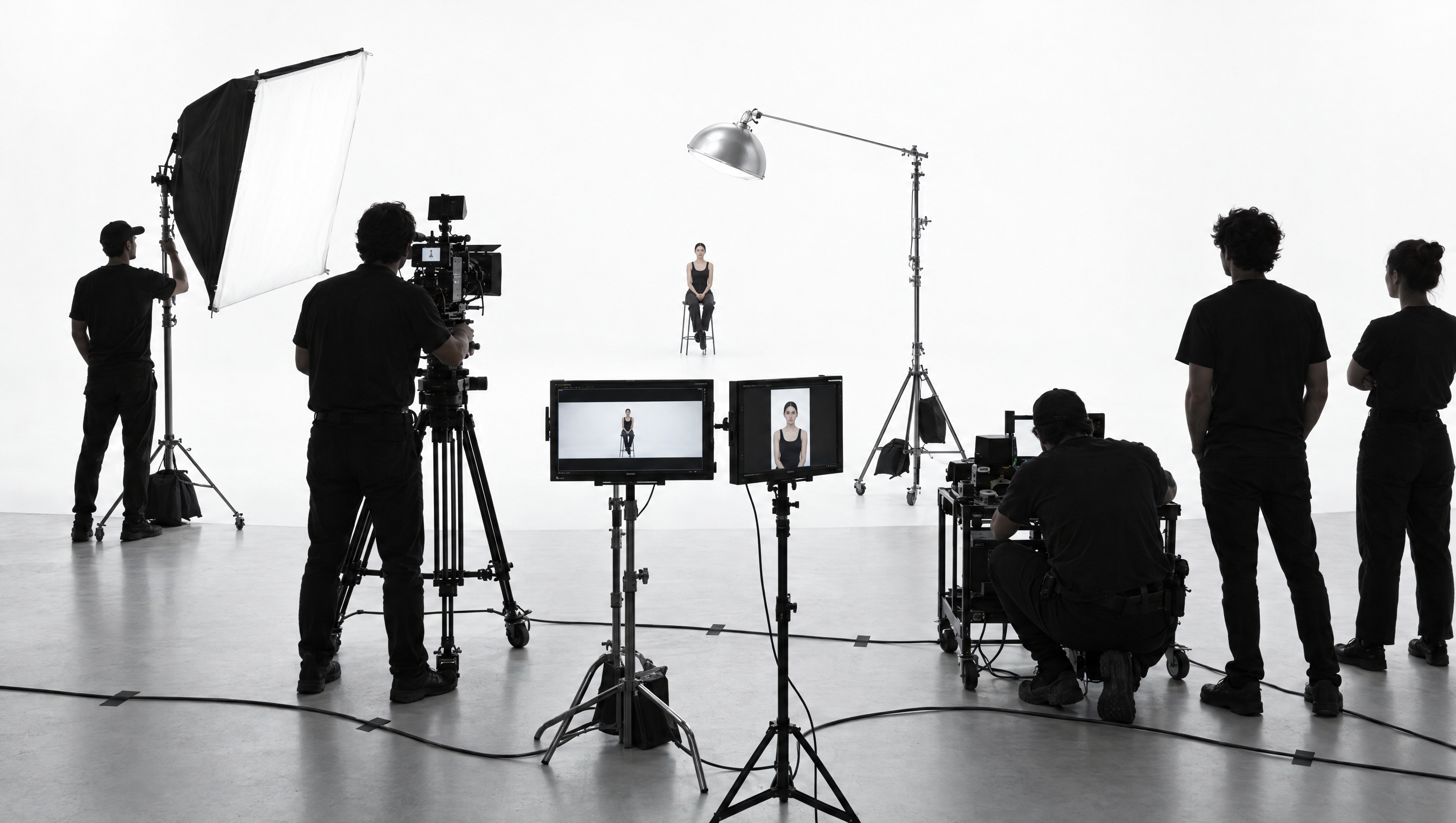
On Monday, Adam Mosseri and Instagram's VP of Product Tessa Lyons announced a new video format called Features: horizontal video, up to 90 minutes, on the platform that spent the last six years training everyone on the planet to shoot vertically.
Mosseri opened the announcement by admitting he had been against it. His words were that for a long time he had been against doing long-form video on Instagram, because Reels drives more shares and more DMs than anything else on the app. That position has now changed, and the reasoning he gave is that short-form and long-form should be symbiotic rather than competing. Lyons added that Reels is still going to be a core part of Instagram, which is the kind of sentence you include when people are about to assume otherwise.
For anyone who actually produces content, the interesting part is not the headline. It is the orientation.
The deliverables list just grew by one line.
For six years the standard package for a commercial shoot has been a 9:16 master plus cutdowns, and the 16:9 version existed for the client's website and nowhere else. Horizontal was the legacy format you exported because somebody asked for it, not because it had a home.
If Features works, it has a home again, and it sits on the largest visual platform most brands use. That changes framing decisions on set, it changes how you shoot coverage, and it changes what you promise in a treatment.
Shooting a job that has to deliver both a genuine 16:9 edit and a 9:16 edit is not the same job as shooting vertical and cropping out. It means wider setups, more headroom discipline, and sometimes a second camera, and it means the edit is two edits rather than one edit and a reframe.
Instagram is clearly aware of that, because the second part of the announcement is a feature called Clips as Reels, which lets you cut a long video into Reels that link back to the full piece. That is a workflow decision disguised as a product feature. It assumes the long edit exists first and the short pieces come out of it, which is the inverse of how most social work has been produced since 2020.
There is no money in it yet, and that matters more than it sounds.
Instagram is not launching an ad revenue share for Features. Mosseri said the platform's small performance-based program costs more than it brings back and does not make sense to scale right now. Meta's line is that it is too early to share a long-term monetization model and that it is exploring brands, fans, and performance-based incentives. Existing creator ad deals are reported to carry over, but there is no YouTube Partner Program equivalent on the table.
Creators noticed within hours. The most repeated response on the announcement post was some version of asking why anyone would post an unpaid long video here when YouTube pays for the same work. One creator pointed out that people currently use Instagram to drive traffic to YouTube precisely because YouTube pays. Another argued that everything you do for a YouTube video is engineered for that platform, so Instagram would need a separate workflow and a reason to justify it.
That gap is the part worth planning around, because it tells you where the money for this content will come from. If the platform is not paying, the budget is brand money, and brand money arrives as a production budget with a scope attached.
Long-form on Instagram will not be a creator-economy format in its first year. It will be a client deliverable, briefed like any other, and quite often briefed by someone who saw a 90-minute number in a press article and has not thought about what 90 minutes of anything actually costs to produce. The photographer and filmmaker Toby Harriman made the point that a great many creators are not influencers, that they make client work off-platform and use social to show it. That is the group this lands on first.
Episodic is the real shift
Alongside Features, Instagram is building a profile hub for episodic Reels, similar to TikTok playlists, and improving discovery for Live. Taken together, the direction is away from the single disposable post and toward a body of work that someone can sit down with.
Episodic content is a different production model. It needs a format that can repeat, a shooting day that produces more than one piece, a consistent look you can hit again in three weeks, and a file structure that still makes sense at episode eleven. Agencies that have only ever bought campaign bursts will start asking for series, and the first few of those briefs will be priced like campaign bursts.
What to do with this now
Nothing dramatic. Features is a test, rolling out to a limited group, with both Brazil and the United States named in the reporting, and outlets currently disagree about which market got it first. Instagram's TV app support for the format will, in Mosseri's own words, take some time. And the obvious precedent is IGTV, which launched in 2018 with a similar argument and had its standalone app shut down in 2022.
So treat it as a planning signal rather than a pivot.
Three things worth doing before the first brief arrives
Check whether your current shooting approach can produce a real horizontal edit without a reshoot. If it cannot, say so in the next treatment rather than discovering it in the grade.
Price a series properly the first time you are asked, because the first quote you give for episodic work becomes the number everyone references afterwards.
And make sure you can still find, three months later, which version of which asset went where. A project that ships one vertical cut is simple. A project that ships a 40-minute horizontal edit, nine Reels cut from it, a stills set, and a client master is not.
That last one is the unglamorous part, and it is the part that quietly decides whether a series is profitable by episode six. Keeping the versions, the deliverables, and the hours attached to the job rather than scattered across four tools is most of the reason CREA exists.
Instagram spent six years teaching an industry to think in vertical. It has just announced that it would also like 90 minutes of horizontal, and it has not yet said who pays for the difference.
Share