Ninety Episodes, One Face
AI video can draw a great frame. Keeping the same person in 1,600 of them is a production problem, and production has solved it before.
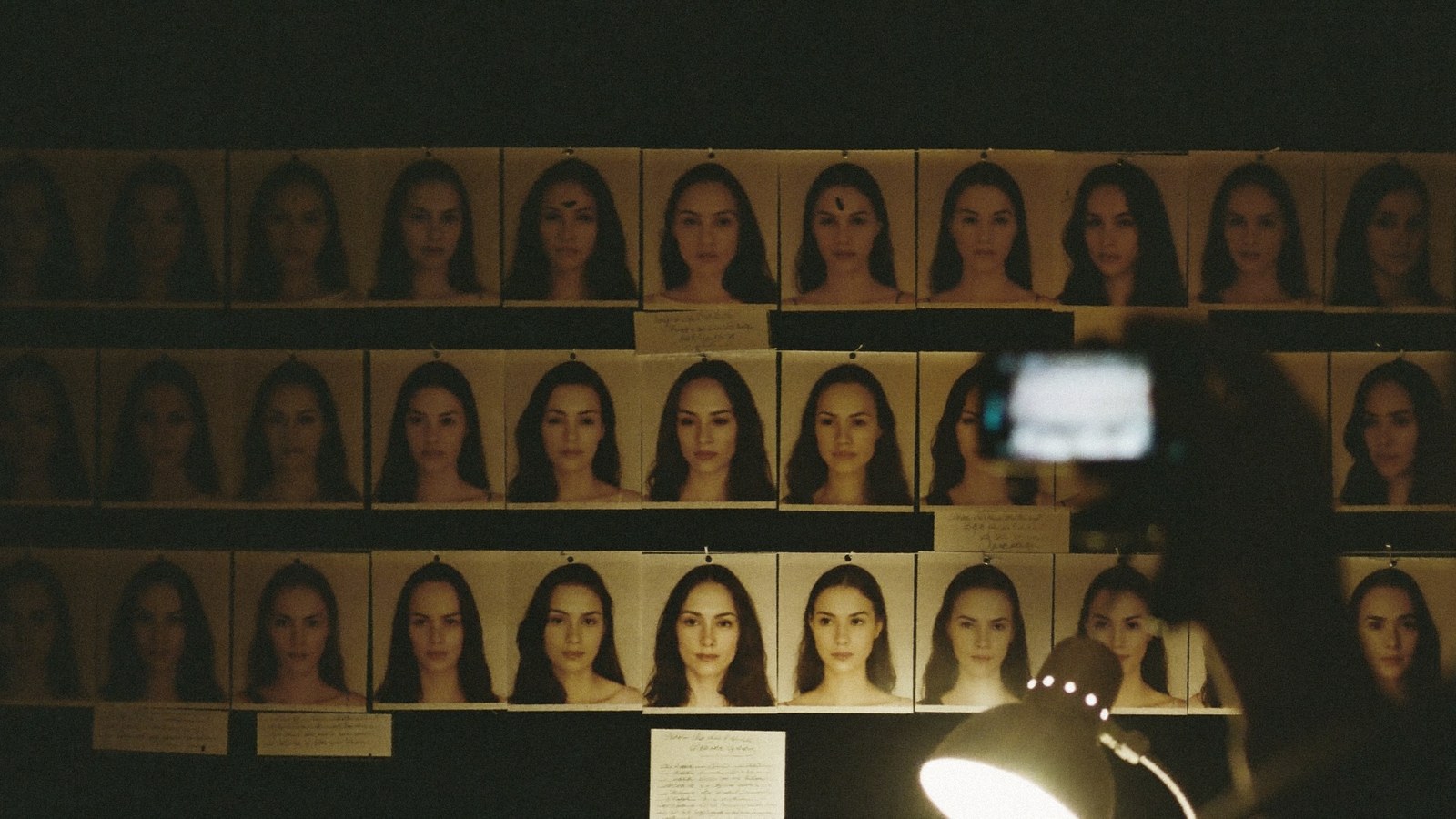
Vertical drama has become the place where AI video gets tested hardest. A typical series runs sixty to a hundred episodes, shot in seven to ten days, on a budget that rarely clears $300,000. The format exists because it is cheap and fast, which is exactly why AI video keeps getting pulled into it.
In a guest post for the Behind the Verticals newsletter, Shaurya Gupta, who runs the production platform VX Studio, did the maths. Ninety episodes at ninety seconds each is 8,100 seconds of picture. AI clips come out at roughly five seconds, so that is around 1,600 generations, and the lead actor's face has to survive every single one.
Most of the time the engine gets close. Across 1,600 shots, close is not enough.
The engine has no memory
A video model does not remember your actor. Every generation is a fresh attempt to draw a similar person from the same description and the same reference photos, under a new angle and a new light. Gupta describes a short film where his co-founder is five foot eleven in one shot and noticeably shorter in the next, with identical references and an identical prompt.
In a thirty second ad nobody would catch it. In episode 41 of 90, the audience in the comments catches it before the producer does.
The list of what drifts will sound familiar to anyone who has worked a real set. Faces shift between shots when the light changes hard. Extending a clip again and again degrades it, because each extension starts from a slightly worse copy of the last frame. Props change size and colour. Wide shots lose track of how tall people are and where they stand. Hard cuts between two generations show a small jump in colour and grain that two camera setups would never produce.
This is continuity, and continuity has always been a job
None of this is new as a problem. It is new as a medium.
On a real shoot, someone owns continuity. The script supervisor tracks which hand the glass was in. The DP keeps the look consistent across days. Wardrobe photographs every outfit. The edit plans around what will not match. Nobody expects the camera to remember any of it.
Gupta's fixes are, almost all of them, production habits rather than technical tricks. Register each cast member once, with several angles, instead of describing them again in every prompt. Set the look once per group of shots, as fixed choices for lens, aperture, lighting and motion, instead of re-describing it in a sentence that the engine reads a little differently every time. Plan a cut every fifteen seconds and never extend a clip more than three times. Treat props as a note for the edit, because the engine will not hold them.
And then the one that matters most for anyone paying for the work: draft on a cheap engine until the blocking is right, lock the shot, and render the master once on the expensive one. By his numbers a master costs around three times a draft. Across 1,600 shots, that gap decides whether a series makes money.
Read that list again and it is a call sheet, a look book, a continuity report and a budget rule. It is production management.
The paper trail is the part people skip
The second half of Gupta's piece is about consent, and it is the part the industry is most likely to get wrong.
Under the SAG-AFTRA agreement covering vertical series, a performer's digital replica has to be deleted within ninety days. Most AI pipelines cannot show what they are holding, so they cannot prove they deleted it. If the registered likeness is the only place the face lives, and every generation records which registration it used, deletion becomes a real event with a date on it. Future generations fail. Past ones stay valid in the log.
That is the difference between a consent flow and a screenshot of a consent form in someone's downloads folder.
It is also exactly the kind of record that tends to scatter. The release sits in an email thread, the reference photos on one person's drive, the approved look in a chat, the versions in a folder named final_v7. On a ten day shoot with rotating operators, the person who knows where everything is often leaves before the series does.
What to take from it, even if you never touch AI video
Gupta is honest about where his own approach still falls short: long unbroken takes still drift, wide shots are still the weakest frame, and automatic checking against the registered actor is not live yet. Nobody has fully solved this, and anyone claiming otherwise is selling something.
But the lesson travels well beyond verticals. The tool that renders the frame is rarely what holds a production together. What holds it together is a small set of things decided once and kept in one place: who is in it, what it looks like, what has been approved, what it is allowed to cost, and who signed what.
That is the part we build CREA around. It will not stop a model from shrinking your lead. It will make sure that when it happens, everyone is looking at the same shot list, the same approved version and the same budget, instead of five different ones.